
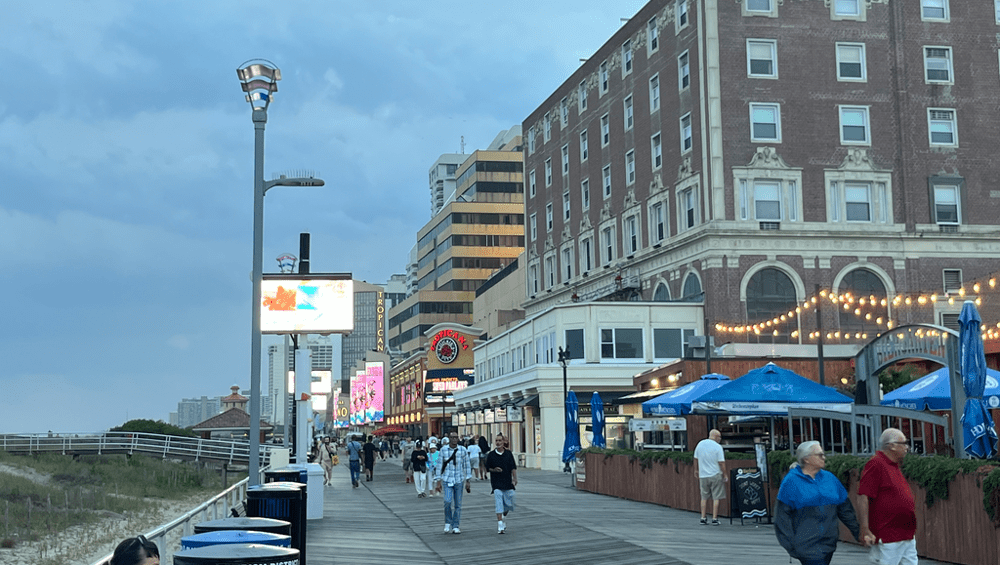
Atlantic City has long battled the familiar challenge of seasonal tourism cycles. Summer brings a surge of beachgoers, boardwalk traffic, and casino nightlife, while winter months often leave hotels, restaurants, and retail shops competing for limited foot traffic. Now, with New Jersey’s expanding cannabis market gaining momentum, Atlantic City is witnessing a new off-season economic catalyst: cannabis-driven tourism and year-round spending.
Though the city’s casinos remain its most iconic economic pillar, cannabis dispensaries and consumption-friendly businesses are helping diversify Atlantic City’s visitor base. Industry analysts note that legalized cannabis markets often show consistent revenue patterns that do not dip with colder weather or school schedules. This trend supports off-season stabilization, bringing in locals, regional travelers, and cannabis-curious tourists regardless of the month.
One of the most notable impacts is on visitor motivation and trip extension. Travelers from neighboring states with stricter cannabis policies frequently plan day trips or weekend getaways to Atlantic City specifically because they can legally purchase regulated cannabis products. Even those who arrive for the casinos, concert venues, or dining experiences may extend their stay after discovering new dispensaries and upcoming lounges. This creates spillover spending across hotels, rideshare services, shops, bars, and entertainment venues—businesses that typically see slower activity from November through March.
The city’s developing cannabis lounge scene stands poised to become a winter-season anchor. Lounges offer indoor, social environments at a time when Atlantic City’s outdoor boardwalk experiences naturally decline. Local officials and business owners have voiced optimism that these venues could emulate the economic lift that breweries and craft cocktail lounges brought to other tourism-driven cities. For Atlantic City, that means new staffing opportunities, extended operating hours, and the potential to host off-season events that attract consistent crowds.
Cannabis also intersects with another off-season challenge: convention traffic. Events such as NECANN’s Atlantic City convention demonstrate how cannabis-specific gatherings draw thousands of professionals, entrepreneurs, and consumers at times of year when traditional tourism lulls. These events fill hotel rooms, energize local restaurants, and introduce a different demographic of visitor—one driven by industry interest rather than beach weather. The success of such conventions strengthens Atlantic City’s position as a year-round cannabis hub on the East Coast.
Local businesses are already responding to this new wave of demand. Restaurants offer cannabis-themed menus for visiting conference groups. Retail shops curate winter promotions targeting cannabis tourists. Even ride-share drivers have observed steadier winter work thanks to regular dispensary traffic. This ripple effect creates stronger stability for workers who rely on hourly shifts, gig income, or seasonal positions.
For residents, the off-season economic impact includes more than tourism. Cannabis businesses offer full-time, non-seasonal jobs in cultivation, manufacturing, retail, and logistics. These roles help reduce the reliance on seasonal casino and hospitality work, giving locals year-round career opportunities with upward mobility.
While cannabis will not replace Atlantic City’s legacy tourism economy, it undeniably strengthens it, offering resilience when visitor numbers historically taper off. With new dispensaries opening, lounges preparing to launch, and cannabis-themed events gaining popularity, Atlantic City is shaping a future where its economy thrives beyond the summer months. The cannabis sector isn’t just bringing new businesses to town—it’s bringing a new sense of year-round possibility.